Categories
General concept of life

Are Our Values Impacting Our Life Happiness?

Are Our Values Impacting Our Life Happiness?

We are driven by the wrong things and they are making us more depressed.
Question: What are Junk Values?
Junk Values are those external drivers that we hold so dearly but aren’t worthy of being valued at all. They are desires that aren’t deeply connected to anything we find important internally.
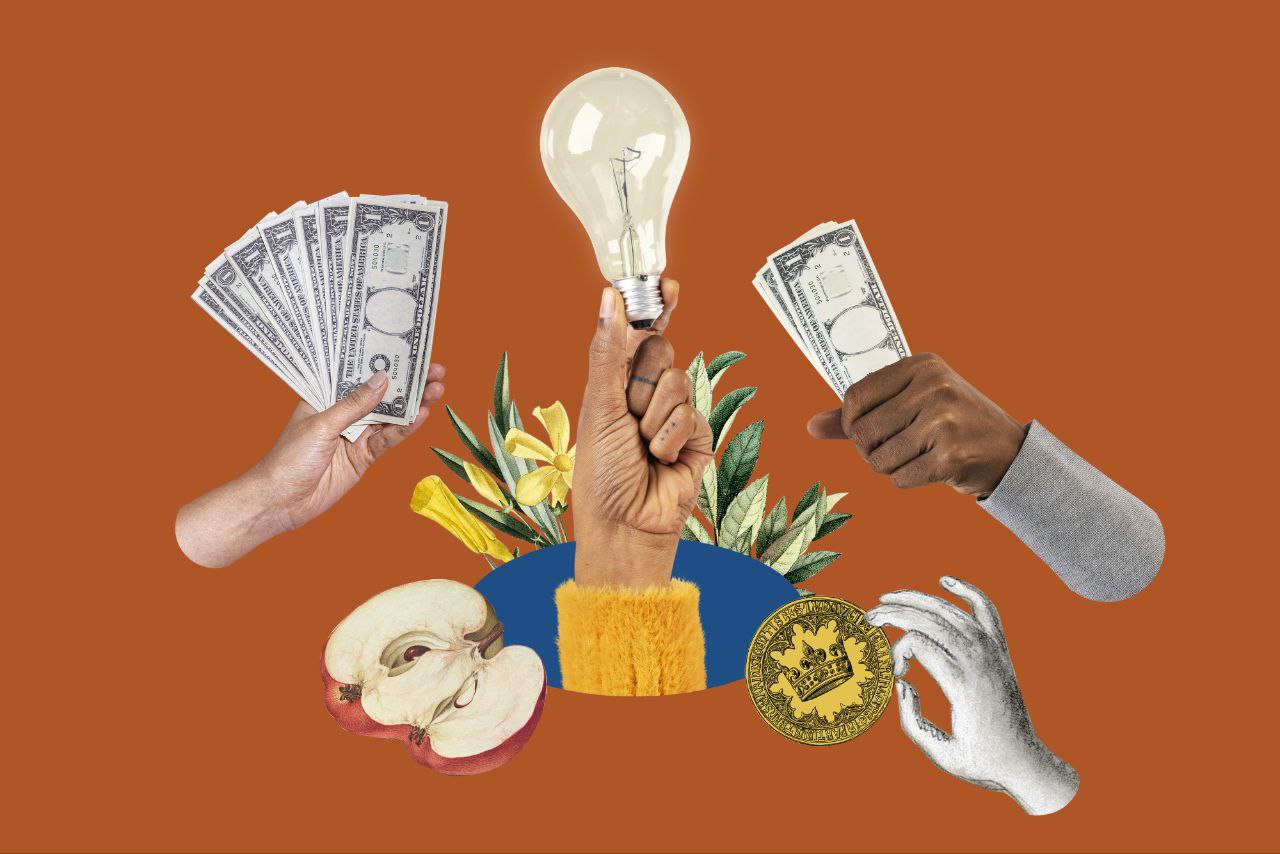
As Explained by Johann Hari, “I kept getting signals that the way to be happy is simple. Buy stuff. Show it off. Display your status. Acquire things”.
This is the problem in today’s world.
“Junk Values that were once a meaningful source of intrinsic happiness are now being replaced by more superficial means of enjoyment”.
What are intrinsic & extrinsic motivations and how do they affect our happiness?
Intrinsic motivation is a term used to describe the incentive we feel to complete a task simply because we find it interesting or enjoyable. Extrinsic motivation is what we feel when we complete a task for some external reward. In short, intrinsic motivation allows us to perform at our very best. Why do we do the things we do? What drives our behavior? Psychologists have proposed different ways of thinking about motivation, including looking at whether motivation arises from outside (extrinsic) or inside (intrinsic) an individual. Intrinsic motivation comes from within, and extrinsic motivation comes from without.

Sometimes you’re better off doing things for enjoyment, but in other cases, you might need a little extra outside motivation. However, it pays to be careful since excessive external rewards can sometimes dampen intrinsic motivation.

Extrinsic motivation is when we are motivated to perform a behavior or engage in an activity because we want to earn a reward or avoid punishment. You will engage in behavior not because you enjoy it or because you find it satisfying, but because you expect to get something in return or avoid something unpleasant.

Extrinsic Motivation:
– Participating in a sport to win awards
– Cleaning your room to avoid being reprimanded by your parents
– Competing in a contest to win a scholarship
– Studying because you want to get a good grade

Intrinsic Motivation:
– Participating in a sport because you find the activity enjoyable
– Cleaning your room because you like tidying up
– Solving a word puzzle because you find the challenge fun and exciting
– Studying a subject you find fascinating.

Now imagine that you sing not because you like to do it, but because you work at a bar you hate and it is your job to sing to entertain the patrons. Perhaps your parents envisioned you becoming a singer and have forced you all your life to sing and take lessons because it is their idea of how you should live your life. Maybe there is a woman you want to impress and the reason you sing is more about impressing her than the actual joy of singing. Regardless, all of these are examples of extrinsic motivation. You are singing not because there is some natural joy to be found within yourself in this activity, but because there is something you want to gain down the line whether it be money, parental acceptance, or a woman’s attention. You are not however singing because that is what you actually enjoy to do, but rather the motivation derives from an externalization of expectation.

Now, it is important to understand we are a mixture of both. Intrinsic and extrinsic motivation mutually come together all the time to form our reasoning behind any pursuit we choose. Yet what makes Professor Kasser’s research so interesting is the outcomes of both of these different types of motivation. Extrinsic motivation, that is the motivation that comes from gaining something down the line, seems to be related to dissatisfaction as well as depression. The more we are driven by these sort of external factors the less happy we generally are. On the contrary, research shows that the more our decisions are motivated by intrinsic motivation, the sort of motivation to do something simply because it makes us happy, the happier we generally seem to be.

Our Values . intrinsic & extrinsic motivations and how do they affect our happiness

Personal Experiences of me The Universe

While this may seem trivial, it bears noting just how increasingly difficult it has become to not only have those intrinsic motivations but to not have extrinsic motivations overrun them.

According to The World Happiness Report, Finland is the happiest country on Earth. Finland is followed by other European and Nordic countries such as Denmark, Netherlands, and Norway respectively. The Sustainable Governance Indicators Organization ranks Finland very near the top as far as social safety nets are concerned. People are entitled to four weeks paid vacation, and childcare is free to families with children who are 7 years old or younger.

The United States, which ranked outside the top 10 in The World Happiness Report’s findings, has no set rule for paid vacation. Childcare is often very expensive and a burden, especially with the stagnation of wages over the years. In many instances in these other countries, there is less pressure economically to provide these things which would also include things such as education or healthcare.

The idea of work isn’t seen so much as a necessary evil to survival but rather an intrinsic good feeling of contributing to the betterment of society.

Social Media and Value in our life Happiness. UAE Dubai., Social,Media,and,Value,in,our,life,Happiness.,UAE,Dubai.

Personal Experiences of Me The Universe

Take social media as an example of this sort of pursuit of happiness through extrinsic means. Instagram and Snapchat are perhaps the best examples of this idea of extrinsic motivations causing unhappiness. Probably the best explanation would be the people who excessively Snapchat entire concerts. There are hundreds if not thousands of better quality videos that capture the moment much clearer than your shitty phone quality and angle. So then why do we so often do things like this? It can’t be because of some intrinsic motivation, I don’t know of anyone who genuinely feels joy by just recording things on their phone. They aren’t even watching the performer with their eyes but rather through the lenses of their camera. They aren’t experiencing the moment at all. In fact, often times once we post some compilation of concert videos to social media we never watch them again. In my view posting things like that on social media isn’t motivated by intrinsic values, but extrinsic values that according to studies lead to less happiness. We don’t post because it makes us feel good, we do it to gain some sort of envy. It seems that we no longer do things that make us have a good time, but do them because it shows other people that we are having a good time. This sort of prioritization of extrinsic over intrinsic seems to be at the heart of our unhappiness.

This fetish for envy isn’t just personally destructive but obviously has a profound affect on others. Not only are you not living in the moment, experiencing the experience, but you essentially are perpetuating envy, you create an environment where you go: “Hey look at my life it’s amazing! What are you doing with yours?” Not only does this give a false image of yourself, since science is showing that things like this don’t lead to actual happiness, but you add to a culture that prioritizes the envy of an experience rather than the intrinsic joy felt while experiencing that particular experience.

It doesn’t only have to be about social media, materialist ideas that are driven by our radical consumer culture deliver these seemingly unhappy results as well. Think of materialistic things we fetishize in our society. We look at clothing, shoes, jewelry, etc. often to bring us joy. Yet when we purchase these things outside of a necessity state of mind we do so with this extrinsic motivational factor. We buy these excessively expensive things not because they intrinsically bring us joy the way someone may find singing or drawing to bring them joy, but because there is this external factors at play, such as our continuous obsession with the envy of others. In other words, our happiness isn’t being derived by any internal or intrinsic ideals, it is being driven and therefore dependent on, the acceptance and envy of others.


Categories
General concept of life

Effects of Hurrying on Driving Styles

Effects of Hurrying on Driving Styles

Personal Observations on Driving

Life example: few days ago I had the story of driving with my family and I had this “observation” where the right of driving was with us yet because our speed was faster in taking actions and making decisions it comes to the point that we had to confront with the person *the lady* in front of us facing to us and she was calm and driving arrogantly slow, driving the car in front of us and we had to push her to go backwards! This was the case of life where I had to think afterward! I had to review it! After some thoughts, I came to this point as a personal observation that yes! the right in driving actually was with us! Was good to be the right in the moment in the driving! Yet we were in a hurry and the point was okay. When the police would come in similar situations, some accidents and they study about the accident they have to understand who was right who was wrong and yet I was thinking honestly sometimes police should not just measure about the rules, they should just measure and pay attention additionally to this point that who was in a hurry! Who made a decision while they were in a hurry!

Reflections on Decisiveness

Reflecting on the driving experience, the importance of decisiveness becomes apparent. It is crucial to make quick and effective decisions, especially in fast-paced situations. In this particular instance, our prompt action was necessary to avoid a potential collision. The value of being assertive in such moments is undeniable, but it also raises questions about balancing urgency with caution.

Consideration for Others

Another aspect that emerged from the driving incident was the consideration for others on the road. While we may have been in the right in terms of traffic rules, it is equally important to respect the pace and space of fellow drivers. The encounter with the slow-driving lady highlighted the need for patience and tolerance, even when faced with frustrating situations. It serves as a reminder to approach conflicts with empathy and understanding.

Law vs. Context

The interaction with the lady on the road also raised questions about the application of law in real-life scenarios. While traffic regulations provide a clear framework for determining right and wrong, they may not always account for the nuances of individual situations. The driver’s state of mind, urgency, and external factors can influence decision-making on the road, complicating the assessment of fault. This prompts a consideration for context and circumstances beyond legalities.

Hurrying in driving and the effects how to understand and investigate who was in hurry

Categories
General concept of life

How to Ensure Effective Rewarding System Setup

How to Ensure Effective Rewarding System Setup

In Management: The Establishment and Structure of Rewarding

Establishing a rewarding system in management is crucial for ensuring that people understand your approach and are motivated to work their best under your leadership. By showcasing a structure of rewards and incentives, you can inspire others to excel and earn recognition for their efforts. Drawing parallels to computer games, where players receive bonuses and demonstrations of their potential, the rewarding system should be designed to encourage continuous improvement.

Acting According to Your Structure

As a manager, it is important to demonstrate your rewarding system in action. By showing appreciation and acknowledging good work from the outset, you set the tone for a culture of recognition and achievement. Creating a positive environment where individuals feel valued and motivated to perform their best is key to organizational success.

Readiness to Reward

Having a set of rewards, compliments, and small gestures ready is essential for effectively rewarding those around you. Whether it’s a pat on the back or a small gift, the timing of the reward is critical. Being attentive to the right moment to acknowledge and reward someone can make a significant impact and strengthen relationships within the team.

How to establish Structured rewarding systems

Categories
General concept of life

Achieving Balance Between Mind and Physics in the Industrial World

Achieving Balance Between Mind and Physics in the Industrial World

Freedom in the world of mind. Imagine

We talked about it earlier in other posts, imagination is faculty of mind. Well now we will talk about the next level of thoughts. World of minds. Mind must be free not stuck. Yet Body must be slaved, engaged, and active in the physical world. Body should work like a workout to build to get stronger but to be active. Yet, the mind needs to be free, explore, and be relaxed to balance. It’s the job of myself; I mean the me off myself. Probably these things are hard for robots to understand about me, about thyself, about the self inside us. Be sure you are human; you can understand, digest, feel it, be engaged with it, and be immersed, and then me inside you.

Opportunities to create balance

So the question is how much opportunity we have to create the balance between the freedom of mind and the slaveness of the body. How well will we be improved in our life? We will be ahead of others if we slave our body and Free Your Mind. We can free our mind, feel good, and constructively slave our body.

Mind freedom Body activity

Categories
General concept of life

Understanding Color Spectrums and Dimensions

Understanding Color Spectrums and Dimensions

Exploring the Relationship Between Colors and Higher Dimensions

Is there any relationship between degrees and the spectrum of colors and higher dimensions? The first time that this question popped up in my head was when I was choosing colors from different palettes for our online design work. This question extended into my personal life as well, as I noticed the different degrees of color mixtures in various palettes. Each color has its own identity and is distinct from the next degree of color in its neighboring area. Colors are similar to the reflections of light in the ocean, appearing differently based on the materials they interact with. These variations make me wonder if colors are traces of higher dimensions in our world.

Colors as Reflections of Higher Dimensions in the 3D World

One aspect of this inquiry that stands out to me is the connection between colors and the movement of energy. While higher dimensions may not be visible to our eyes, the energy flowing through our 3D world must leave some evidence or traces behind. Could the colors around us be one of many manifestations of higher dimensions intersecting with our reality?

The Influence of Music and Rhythm from Higher Dimensions

Looking beyond colors, it is evident that music and rhythm also seem to emanate from higher dimensions. The beats, melodies, and harmonies in music symbolize a departure from the constraints of our 3D reality. They offer a glimpse into the possibility of realms beyond our current understanding.

Colors as a Medium for Higher Dimensions in the 3D Dimensional World

Returning to the topic of colors, I strongly believe that colors serve as reflections of the movement of higher dimensions within our 3D world. The varying shades and combinations of colors may mirror the complexities and interplay of energies from higher realms, subtly influencing our perception of reality.

Spectrum of colors and higher dimensions Dastouri de

Higher dimensions and connection to the color spectrum, Higher,dimensions,and,connection,to,the,color,spectrum

Connection between higher dimensions and different shades of colors, Connection,between,higher,dimensions,and,different,shades,of,colors

Categories
General concept of life

Is there a connection between sound frequency and personal growth and happiness?

Universe and frequency of sounds. Question relation of frequency and growth. Image Credit Forbes.

It’s been a while that I’m thinking about the sound of God and its frequency

Does the low frequency noises help growth of live being?

It’s been a while that I’m thinking what is the sound of God, what is the frequency of God, and why in movies they put very bold and low-frequency sound that indicates the sound of God. Why this screaming frequency is annoying while the sound of universe and calmness is in low frequency. These are the questions that are rotating in my head, and I would like to share here so we can discuss it.

Low frequency noises have been linked to various effects on living beings. For example, some studies suggest that low-frequency vibrations can promote the growth of certain plants by stimulating root development and enhancing nutrient uptake. Similarly, in animals, exposure to low-frequency sounds like those produced by certain musical instruments or natural sources has been found to have a calming effect and can even aid in stress reduction.

The Impact of Low-Frequency Sounds on Human Health

Low-frequency noises can also have an impact on human health. Some research indicates that exposure to certain low-frequency vibrations may have therapeutic benefits, such as reducing pain and inflammation, improving relaxation, and enhancing sleep quality. On the other hand, prolonged exposure to excessive low-frequency noise levels, such as those from industrial machinery or traffic, can lead to negative health effects like hearing loss, stress, and sleep disturbances.

Environmental Effects of Low-Frequency Noises

In the natural environment, low-frequency noises play a crucial role in communication among animals and insects. Many species use low-frequency vocalizations or signals to attract mates, warn of danger, or establish territories. Additionally, some marine mammals like whales and dolphins rely on low-frequency sounds for navigation and foraging, making these noises essential for their survival and communication within their communities.

Categories
General concept of life

How I’d Spend $1 Million a Month

How to spend $1 million per month income

Thinking and Imagining for Business Success

As a company owner and director, I’m constantly exploring ways to turn ideas into tangible products that engage our audience. One of the major challenges I contemplate is how to effectively manage a 1 million dollar monthly income for the company. Additionally, I ponder about what would be a suitable salary for myself as the director of the organization. In this discussion, I will delve deeper into these questions with my creative thinking, expertise, and experience.

Strategic Financial Management

Managing a substantial monthly income requires adept financial strategies. It involves budgeting wisely, allocating resources efficiently, investing intelligently, and ensuring the financial stability and growth of the company. By carefully planning and implementing financial decisions, we can maximize profits and benefit the company as a whole.

Setting Director’s Salary

Determining the appropriate salary for the director involves considering various factors such as market trends, industry standards, company performance, and personal contribution. It is essential to strike a balance between a competitive salary that reflects the director’s role and responsibilities while ensuring the company’s financial health and sustainability.

Meeting Targets and Exceeding Expectations

As the director, my role is not only to manage the company’s finances but also to lead the team towards achieving the set goals and exceeding expectations. By fostering innovation, fostering a collaborative environment, and motivating employees, we can drive the company towards success and growth.

Continuous Learning and Adaptation

In a dynamic business environment, continuous learning and adaptation are crucial for sustainability and relevance. Staying updated with industry trends, implementing new strategies, and embracing change are essential aspects of ensuring the company’s competitiveness and resilience.

Categories
General concept of life

Why Your Imagination Matters

Imagination, Dastouri de

Exploring the Validity of Our Imaginations

How valid are each of our imaginations are? How would a world of imaginations look like? How did Steve Jobs pull it off? How did Thomas Edison create them? Through harmonizing their frequencies with delta, alpha, or theta? Is Selva’s method really effective for them?

When we consider the achievements of visionaries like Steve Jobs and Thomas Edison, we are prompted to question the validity of our own imaginations. These great minds were able to bring their visions to life, shaping the world with their ideas. By harmonizing their frequencies with delta, alpha, or theta, they tapped into a deeper level of creativity.

The Path to Higher Dimensions

The fact that we can push the boundaries of what we think is possible indicates a connection to higher dimensions. Our ability to learn and adapt facilitates our journey towards realizing our imaginations. It is through this continuous process of growth and exploration that we can unlock new potentials within ourselves.

Manifesting Desires Through Thought

Now, we have the power to shape our reality by focusing our thoughts and intentions on what we desire. If we can conceive of something in our minds, then we have the ability to bring it into existence. By aligning our thoughts with our desires, we become the channels through which our dreams can manifest.

Categories
General concept of life

Do Our Emotions Come from Higher Realms or Just Hormones?

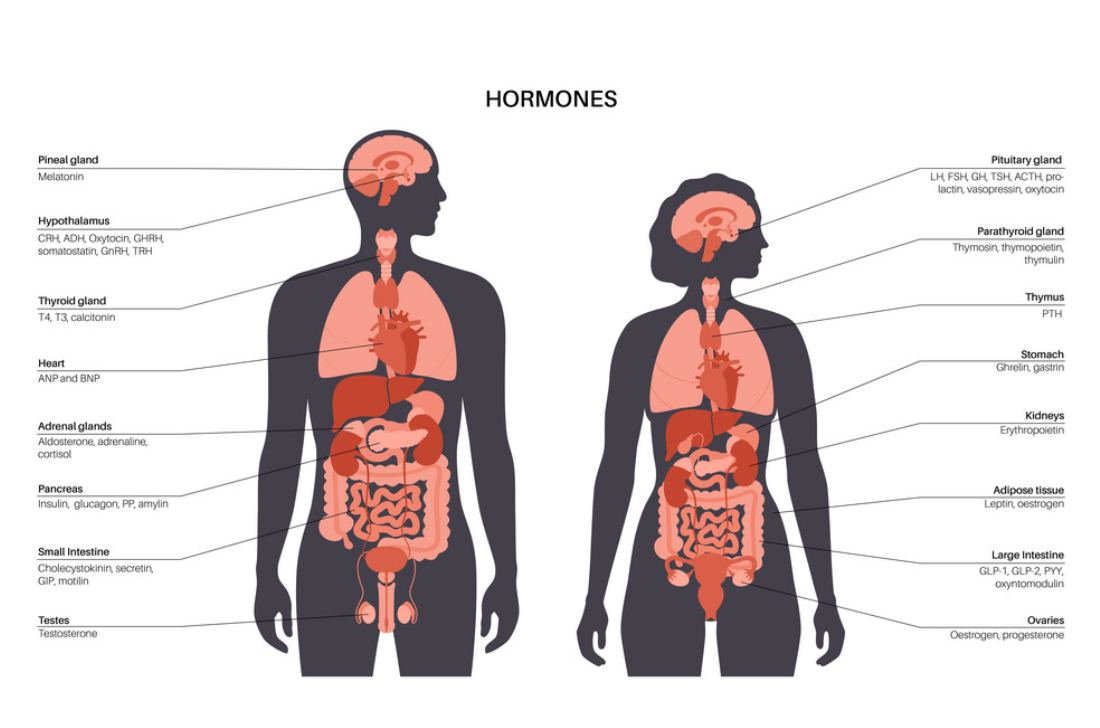
Some Sources for Hormones?

Contemplating the Higher Causes of Hormones

The Complexity of Hormones

It’s been a while, about 5 or 6 months, that I have been pondering the intricate causes behind the hormones produced in our bodies. We often overlook the profound impact hormones have on our emotions and well-being. They serve as messengers, guiding our feelings and responses, shaping our identity, and influencing our moods.

The Path from Sensation to Feeling

We see the world around us, we sense its stimuli, and then we experience the corresponding emotions. However, there are instances where our emotions arise without any prior sensory input. This mystical connection between sensation, emotion, and feeling is orchestrated by the enigmatic dance of hormones within our bodies.

Emotional Rollercoaster

From joyous highs to tearful lows, from moments of anger to bouts of anxiety, our emotions are a kaleidoscope of experiences sculpted by hormones. These biochemical messengers convey intricate signals that shape our perceptions and responses, unveiling the complexity of our inner workings.

The Gift of Awareness

Through the symphony of hormonal communication, we become conscious of our emotions and thoughts, fostering a deeper sense of self-awareness. It is through this awareness that we derive pleasure and satisfaction from the myriad emotions that color our lives.

A Call to Appreciation

While I may not fully comprehend the depths of hormonal intricacies, I recognize their omnipresence in our daily existence. It is a testament to their significance that we have grown accustomed to their silent orchestration within us. Let us take a moment to acknowledge and appreciate the indispensable role hormones play in shaping our emotional landscape.


Whether our emotions spring from higher realms or simply surge as hormones is a question I’ve been quietly turning over for five or six months now. For a Better Life – from this perspective, this short reflection delivers the kind of motivational, business-minded insight that links personal experience with leadership thinking, showing how those chemical messengers actually shape our identity, moods, and daily decisions. You’ll walk away clearer on the path from raw sensation to felt emotion, better equipped to balance mind and the industrial world instead of being ruled by either. Grounded in lived perspective rather than theory, it’s one more practical step toward genuine personal growth and a steadier kind of happiness.


Fast Facts

  • Hormones function as messengers guiding feelings responses shaping identity and influencing moods.
  • Pondering for six months reveals intricate causes behind hormones and their emotional impacts.
  • Professionals gain valuable mindset shifts from reflecting on sources of human emotions.
  • Personal growth accelerates when linking daily sensations to higher realms or hormone activity.
  • Reflection delivers motivation and happiness for a better life – from this perspective.


Frequently Asked Questions

What role do hormones play in shaping emotions according to this perspective?

Hormones act as powerful messengers that guide our feelings, responses, moods, and even identity after we sense the world’s stimuli. In my months-long contemplation, they bridge raw sensation to deeper emotion, tying directly into personal growth, values, and mindset. This reflection reveals they’re not mere biology but part of a larger inquiry that supports happiness and leadership awareness. For a Better Life – from this perspective.

How does reflecting on hormones influence daily mindset and motivation?

By tracing the path from external stimuli to internal feeling, I learned to pause before reacting, turning hormonal surges into opportunities for choice. This process, drawn from my lived experience, builds resilience in the industrial world and sharpens business perspective. It motivates aligned decisions rooted in values rather than impulses, fostering the balanced leadership ambitious professionals need. For a Better Life – from this perspective.

Can contemplating higher realms versus hormones enhance personal leadership?

Yes, questioning whether emotions come from higher causes or just hormones sharpens self-awareness essential for leadership. From my own pondering over the past five or six months, this inquiry strengthens mindset, clarifies values, and prevents being ruled by moods. It equips young founders and early-career builders with reflective tools to lead with intention instead of reaction. For a Better Life – from this perspective.

Does this reflection on emotions include both biology and higher meaning?

It does. While acknowledging hormones as the physical messengers shaping well-being, the piece contemplates their higher causes, refusing to reduce human experience to chemistry alone. This dual view supports personal growth by linking daily feelings to broader life perspective and motivation. My experience shows ignoring either side limits happiness and effective leadership in business and life. For a Better Life – from this perspective.

Which approach to emotions best serves ambitious professionals seeking growth?

The integrated approach—honoring hormones while seeking their higher origins—best serves growth. Purely biological views feel too reductive for the mindset needed in leadership and business. My reflective journey shows blending both fuels deeper motivation, stronger values, and genuine happiness. This perspective helps founders and students navigate complexity without losing their humanity. For a Better Life – from this perspective.

How can readers access these reflective insights on emotions and personal growth?

This article and others sharing my leadership thinking and lived experience are openly available on the site for immediate reading. No signup barriers exist; simply visit to engage with motivational perspectives on happiness, mindset, and values whenever the moment calls. I publish these personal essays freely so young professionals and builders worldwide can draw practical wisdom. For a Better Life – from this perspective.

TFI Co. Performance Partnership

TFI Co. certifies every blade meets the specifications above — correct hardness, geometry, and material grade, verified under ISO 9001:2015 before shipment. Achieving the stated performance figures also requires correct installation, operation within rated parameters, and scheduled maintenance. Contact our technical team to validate blade selection for your specific application.


This reflection commits to honest insights drawn from lived experience on emotions, hormones, and personal growth.

  • Shares motivational, reflective, and business-minded perspectives rooted in personal experience, leadership thinking, and life perspective to support values, mindset, happiness, and the ability to pause before reacting.
  • Turns hormonal awareness into opportunities for choice while tying stimuli to deeper emotion and leadership awareness.
  • Recognizes these insights may vary by individual context and daily life realities.

For a Better Life – from this perspective. For a Better Life – from this perspective.


Categories
General concept of life

Discovering Your True Potential: Becoming the Person You Want to Be through Self-Reflection and Personal Growth

Discovering Your True Potential: Becoming the Person You Want to Be through Self-Reflection and Personal Growth

Knowing who you are and becoming the person you want to be is a transformative journey that requires self-awareness, growth, and deliberate action. It begins with a deep understanding of your true potential and a vision of the person you aspire to become. Here are some steps to guide you on this path:

  1. Embrace self-reflection: Take time to reflect on your values, beliefs, strengths, and weaknesses. What are your passions and interests? What brings you joy and fulfillment? Honest self-reflection will help you understand your authentic self and align your actions with your core values.
  2. Cultivate a clear vision: Envision the person you want to be. What qualities and characteristics define that person? What goals and achievements do you aspire to? Visualize this future version of yourself with clarity and detail. A strong vision acts as a compass, guiding your decisions and actions.
  3. Set meaningful goals: Break down your vision into smaller, actionable goals. These goals should challenge and inspire you, stretching your abilities. Write them down and create a plan to achieve them. Regularly review and adjust your goals to keep yourself motivated and on track.
  4. Cultivate positive habits: Your daily habits shape who you are and who you will become. Identify habits that align with your vision and support your personal growth. These may include activities like reading, exercising, meditating, or learning new skills. Consistently practicing positive habits will help you become the person you want to be.
  5. Surround yourself with positive influences: Seek out mentors, role models, and like-minded individuals who inspire and uplift you. Surround yourself with people who support your growth and share similar values. Their positive influence can propel you forward on your journey.
  6. Embrace continuous learning: Commit to lifelong learning and personal development. Read books, attend seminars, take courses, and expand your knowledge and skills. Growth is an ongoing process, and the more you learn, the more you can bring to your personal transformation.
Categories
General concept of life

Simply no to Po**r**n

Why Things Like Pornography Can Harm Real-life Relationships

Let’s think about how stuff like pornography can mess up real-life friendships and love life. This is a big worry for many people. The science of the brain explains why too much exposure to dopamine-releasing activities, like pornography, can make it harder to enjoy regular interactions as much.

Understanding the Impact vs. Ethical Views of Pornography

But remember, talking about whether pornography is right or wrong is different from understanding its effect on the brain. Whether someone likes or dislikes pornography is a personal choice, decided by things like their age and beliefs.

How Dopamine-Triggering Activities Can Lead to Addiction

Any activity that releases a lot of dopamine, the feel-good chemical in our brain, could lead to addiction. If a person is always after a drug or activity that gives a big dopamine rush, their normal dopamine levels drop. As a result, they might feel bad or struggle in everyday situations.

The Misunderstanding About Dopamine Release and the Consequences

Some people wrongly think that doing the same dopamine-releasing activity will make them feel as good as the first time and raise their normal levels again. But this usually results in even lower dopamine levels, making it harder to feel happy. This pattern happens not only with pornography, but also with other addictive behaviors like too much video gaming.

Negative Effects of Addiction

Addiction can cause people to lose interest in other parts of life, like friendships, school, and their own well-being. In the worst cases, they might feel very depressed and think about ending their lives.

Impact of Regular Dopamine-Evoking Activities

Even in a more normal situation, where a person has a balanced lifestyle, regularly doing things that release dopamine, like working out, drinking alcohol, or eating tasty foods, can affect them. These activities might seem okay when done in moderation, but they all release dopamine. Over time, this can lower the normal level of dopamine, leading to feelings of exhaustion and less pleasure.

The Role of Dopamine and the Importance of Balance

Dopamine is important for craving, motivation, desire, and pleasure. But balance is key. Understanding how big and small dopamine releases interact can help us make choices that keep our dopamine levels healthy while still allowing us to feel motivated and desirous occasionally.

Making Conscious Decisions for Healthy Dopamine Levels

Doing things we enjoy is a vital part of life, and dopamine is a helpful chemical in our brain. The trick is to understand how big and small dopamine releases interact and affect each other. By doing this, we can make decisions that maintain or even raise our normal dopamine levels while still enjoying the positive effects of big dopamine releases. These are important for personal growth and life progression.

Categories
time and human being age

Age and desires

Age and desires

The desires of human beings change as they age, and can also vary between genders.

For infants (0-5 years old), basic needs such as food, shelter, and warmth are most important. As they grow into toddlers (5-10 years old), they begin to develop more complex needs such as social interaction and play.

During childhood (10-15 years old), individuals may desire more independence and autonomy. This can manifest as a desire for more privacy or control over their own schedule.

In adolescence (15-20 years old), individuals may experience a strong desire for acceptance and belonging, as well as a desire to form romantic relationships.

As young adults (20-25 years old), individuals may focus on building their careers and establishing themselves financially. They may also have a desire for independence and self-reliance.

In the mid-20s to early 30s (25-30 years old), individuals may begin to consider starting a family and may have a desire for companionship and stability.

As people enter middle age (30-60 years old), their desires may shift towards maintaining their health and well-being, and providing for and spending time with their family. This can also be the time when people start to think about retirement and plan for their future.

As people enter their 30s (30-35 years old), they may continue to focus on building their careers, establish themselves financially and stability in their personal life. They may also begin to consider starting a family and may have a desire for companionship.

In the mid-30s to early 40s (35-40 years old), individuals may be in the midst of building their careers and raising a family. They may have a desire for a balance between work and family life. They may also start to think about their long-term financial security and planning for their children’s future.

As people enter their 40s (40-45 years old), they may have a desire to continue to advance in their careers and provide for their family. They may also be thinking about their own health and well-being as they age.

In the mid-40s to early 50s (45-50 years old), individuals may be nearing the peak of their careers and may have a desire to make a lasting impact in their field. They may also be more focused on maintaining a work-life balance and spending time with their family.

As people enter their 50s (50-55 years old), they may be thinking more about retirement and planning for their future. They may also have a desire to stay active and healthy in order to enjoy their retirement years.

As people enter their late 50s and early 60s (55-60 years old), they may be nearing retirement and may have a desire to spend time with family, travel, or pursue hobbies and interests they never had time for before. They may also be thinking about passing on their knowledge and experience to the next generation.

It’s important to note that these are general patterns and that everyone’s desires and experiences will be unique.

Categories
General concept of life

We become what we think about

We become what we think about

The idea that “we become what we think about” is rooted in the concept of the power of positive thinking. This theory suggests that if we focus our thoughts on positive and constructive ideas, we will be more likely to achieve success and happiness in our lives.

One way in which this theory is thought to work is through the concept of self-fulfilling prophecies. When we have positive thoughts and beliefs about ourselves and our abilities, we are more likely to take action and make decisions that align with those beliefs. This in turn can lead to achieving our goals and making our positive thoughts a reality.

Another way in which positive thinking is thought to impact our lives is through the placebo effect. Studies have shown that simply believing that something will have a positive impact on our health can actually lead to real physical changes in the body. This suggests that the power of our thoughts and beliefs can have a direct impact on our physical well-being.

It’s also important to note that the reverse is also true: if we focus on negative thoughts and beliefs, we may be more likely to encounter difficulties and setbacks. Negative thinking can lead to feelings of hopelessness and helplessness, making it harder to take action and make positive changes in our lives.

That being said, it’s important to note that the relationship between our thoughts and our actions is complex, and it’s not always clear cut. There are many other factors that influence our behavior, including past experiences, genetics, and social and cultural influences.

In conclusion, the idea that “we become what we think about” suggests that our thoughts and beliefs have a powerful impact on our lives. By focusing on positive thoughts and beliefs, we can increase our chances of achieving success and happiness. However, it’s important to remember that there are many other factors that influence our behavior and that the relationship between our thoughts and our actions is complex.

Categories
General concept of life

What are top 10 indicators of one’s adulthood?

Adulthood

Adulthood is a period of physical and psychological development that begins in the teenage years and continues through old age. It is characterized by a number of key milestones, such as the attainment of physical maturity, the ability to independently support oneself, and the development of a stable identity.

One of the key responsibilities of adulthood is to assume control of one’s own life and make independent decisions. This includes taking responsibility for one’s own actions, being self-sufficient and self-supporting, and making choices that will affect one’s future. Additionally, adulthood typically involves forming and maintaining relationships, building a career, and becoming a responsible member of society.

What are signs of becoming and an adult?

There are several signs that indicate someone is becoming an adult. Some of the most common include:

  1. Physical maturity: The onset of puberty and the completion of growth and development are key indicators of physical maturity.
  2. Emotional maturity: Adults have a better understanding of their emotions and are better able to regulate them. They are able to handle stress and difficult situations in a more effective way.
  3. Independence: Adults are able to live independently, make their own decisions, and take responsibility for their own lives.
  4. Financial responsibility: Adults are able to support themselves financially and manage their money responsibly.
  5. Career development: Adults are generally focused on building a career, whether that be through pursuing higher education or starting a job.
  6. Social maturity: Adults have developed the ability to form and maintain meaningful relationships, and they are able to build a sense of community.
  7. Sense of self: Adults have a stable sense of self-identity, they have a good understanding of who they are, what they want and what they stand for.
  8. Responsible citizen: Adults are taking responsibility for their actions and are contributing positively to their community and society.

How to test if someone is adult in real life examples?

As we discussed the signs of adulthood in previous paragraph there are several ways to observe if a person is an adult in real life. Some examples include:

  1. Physical maturity: An adult will typically have reached the end of their growth and development and will have the physical characteristics of an adult such as being taller, having a deeper voice, and having fully developed secondary sexual characteristics.
  2. Emotional maturity: An adult will typically be able to regulate their emotions, handle stress and difficult situations in a calm and composed manner, and show empathy and understanding towards others.
  3. Independence: An adult will typically be able to live independently, make their own decisions, and take responsibility for their own lives. They will be able to handle the day-to-day responsibilities of adult life, such as paying bills and managing their own finances.
  4. Career development: An adult will typically be focused on building a career, whether that be through pursuing higher education or starting a job. They will have a clear idea of what they want to do in their professional life and will be taking steps towards achieving their goals.
  5. Social maturity: An adult will typically have developed the ability to form and maintain meaningful relationships, and they will be able to build a sense of community. They will be able to communicate effectively and understand the perspectives of others.
  6. Sense of self: An adult will typically have a stable sense of self-identity, they will have a good understanding of who they are, what they want and what they stand for.
  7. Responsible citizen: An adult will typically take responsibility for their actions and will be contributing positively to their community and society. They will understand the importance of civic engagement and will be involved in the community.

It’s important to keep in mind that these are general observations and not everyone will fit perfectly into these categories and that people can have different levels of maturity in each area.